
Water Softener and Water Filtration Systems in Burbank
Hard water gets blamed for everything from dull dishes to health worries, and a softener gets sold as the cure for all of it. A softener does one job: it trades the minerals that cause scale for sodium or potassium. It does not filter, disinfect or remove chloramine, and it does not change whether the water is safe to drink. This page separates what each treatment does, shows what Burbank's published numbers say and explains what an installation needs.
Call (818) 280-4874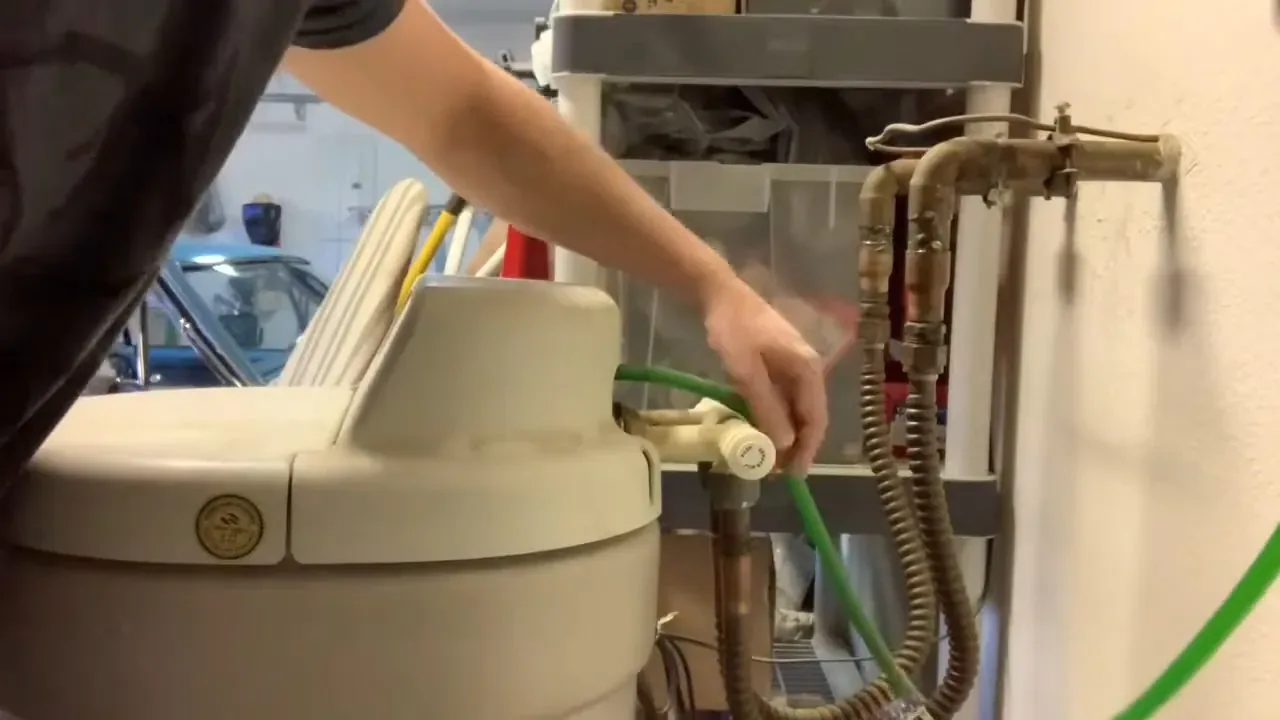
Is the water hard enough to matter?
Hardness is measured in parts per million or grains per gallon, and the utility publishes it every year. Whether the number justifies a softener is a household decision, since hardness causes scale and spotting but is not a health issue in itself.
Signs at home include white crust on faucets and showerheads, spotted glassware, a film on shower doors and a water heater that rumbles. A test strip or a plumber's hardness test confirms the level at your tap.
Softener, conditioner or filter: what each does and does not do
The words are used loosely, so the difference is worth stating plainly.
| Equipment | What it does | What it does not do |
|---|---|---|
| Salt-based softener | Removes hardness minerals by ion exchange and regenerates with brine | Does not filter or disinfect, and adds sodium or potassium |
| Template-assisted crystallization or salt-less conditioner | Changes how minerals form so scale sticks less | Does not remove hardness, so results vary |
| Carbon filter | Reduces chlorine, chloramine taste and some contaminants | Does not remove hardness |
| Reverse osmosis (RO) | Removes dissolved solids from drinking water at one tap | Is slow, wastes some water to the drain and does not treat the whole house |
| Whole-house filtration | Treats water at the main for sediment or chemicals | Works on what it is built to filter, not everything |
Water treatment, in other words, is a set of tools, not one product. A plumber matches the tool to the problem you want to solve.
Whole-house filtration and what it can do
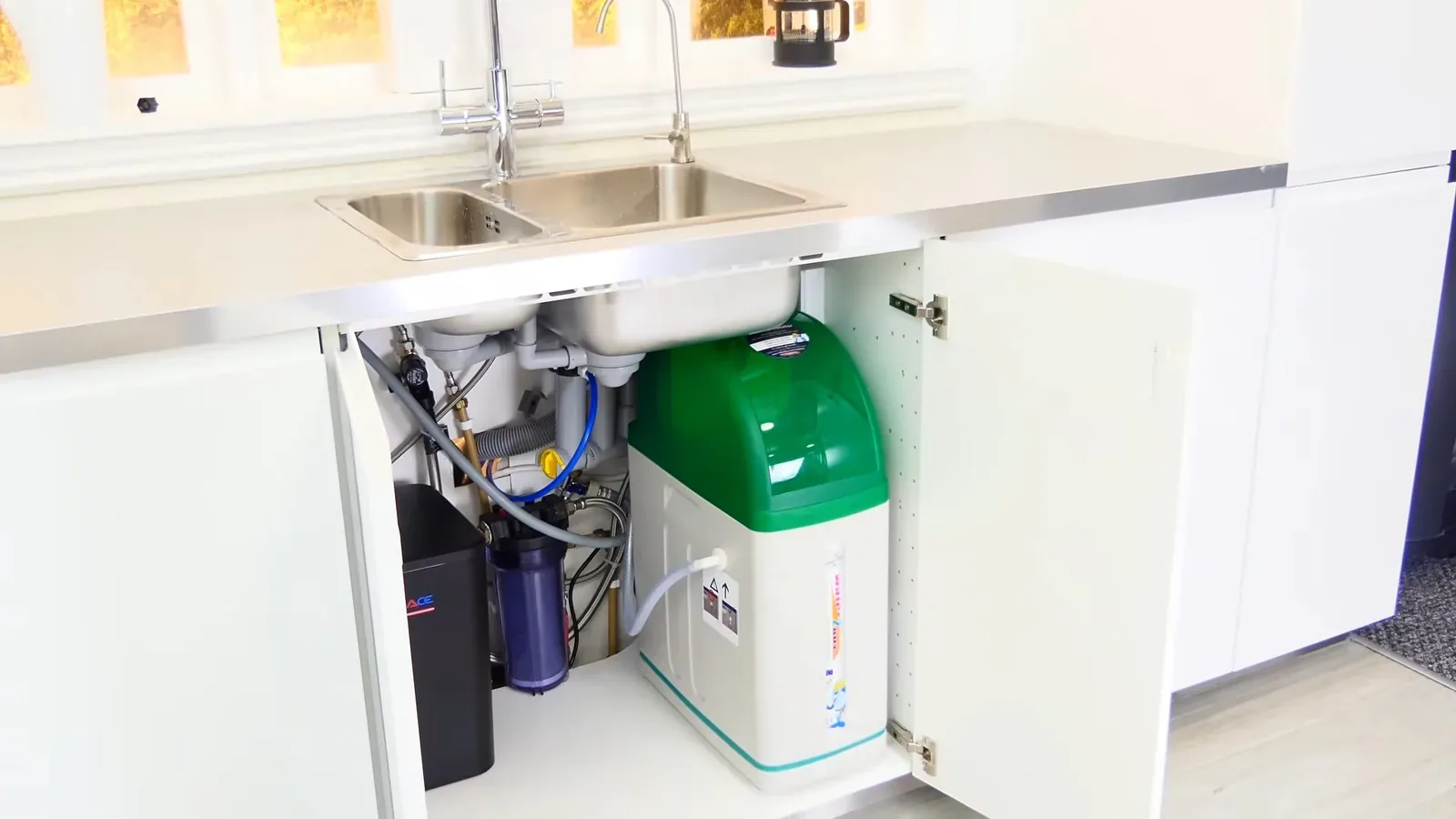
A whole-house system sits at the main line and treats every tap, shower and appliance. Sediment filters protect fixtures from grit. Carbon filters reduce chlorine and chloramine, which affect taste and smell. A softener can be paired with either.
Size and flow rate matter, since an undersized unit restricts pressure. Ask for the flow rate, the filter change schedule and the cost of replacement filters, because a filter that is expensive or hard to get tends to go unchanged.
Chloramine, rubber parts and filter choice
Chloramine is a disinfectant that municipal systems use, and it passes through some filters that remove ordinary chlorine.
Reverse osmosis and drinking water at the tap
A reverse osmosis system filters drinking water at one tap, usually under the kitchen sink. It pushes water through a membrane that holds back dissolved solids, and the rejected water goes to the drain. Pair it with pre-filters, and plan to change the membrane and filters on schedule.
An under-sink filter is simpler and less costly to run. It reduces chlorine taste and some contaminants but does not remove dissolved minerals. An ice machine or refrigerator filter works the same way at the appliance.
Water softener install: plumbing, drain and electrical needs
A softener installation needs a spot near the main water line, a drain for the regeneration water, a power outlet for the control head and room to add salt. The plumber adds bypass valves so the house can run unsoftened, connects the inlet and outlet, runs the drain line to an approved point and sets the control head for the household.
Ask about hard water to outdoor faucets, which most people prefer to leave untreated, and about the hot water side, where scale does the most harm. Ask also whether a permit is needed and who pulls it, since plumbing changes at the main may fall under the City's permit rules.
Softener replacement, repair and service
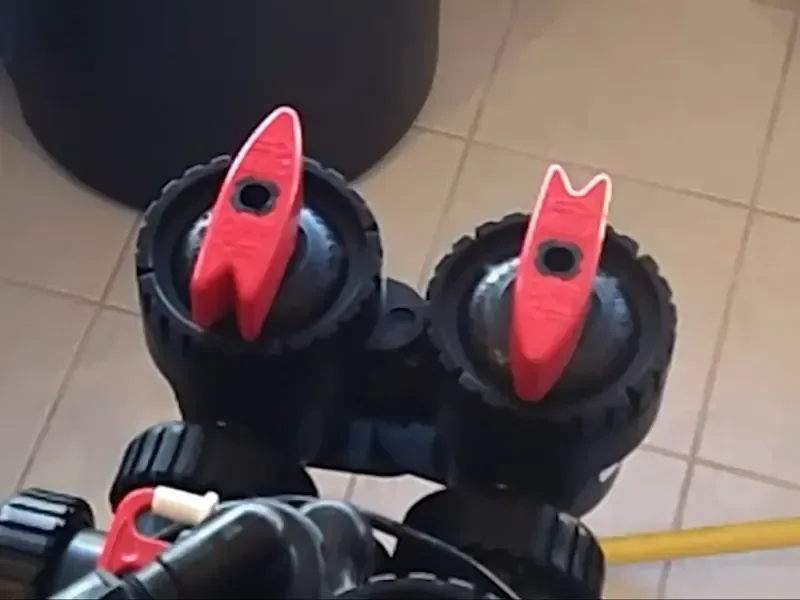
Softeners fail in a few predictable places: the control head, the resin tank, the brine tank and the valve. A softener that no longer softens, uses salt too fast or leaks from the valve usually needs a service call. Water conditioner repair and valve replacement are often possible without replacing the whole unit.
A unit past fifteen years or one with repeated valve failures is often replaced. Ask for the diagnosis and the age, and compare a repair to a replacement with a similar capacity. Water softener maintenance and water filtration maintenance are mostly salt, filters and membranes on a schedule.
Salt, brine and regeneration
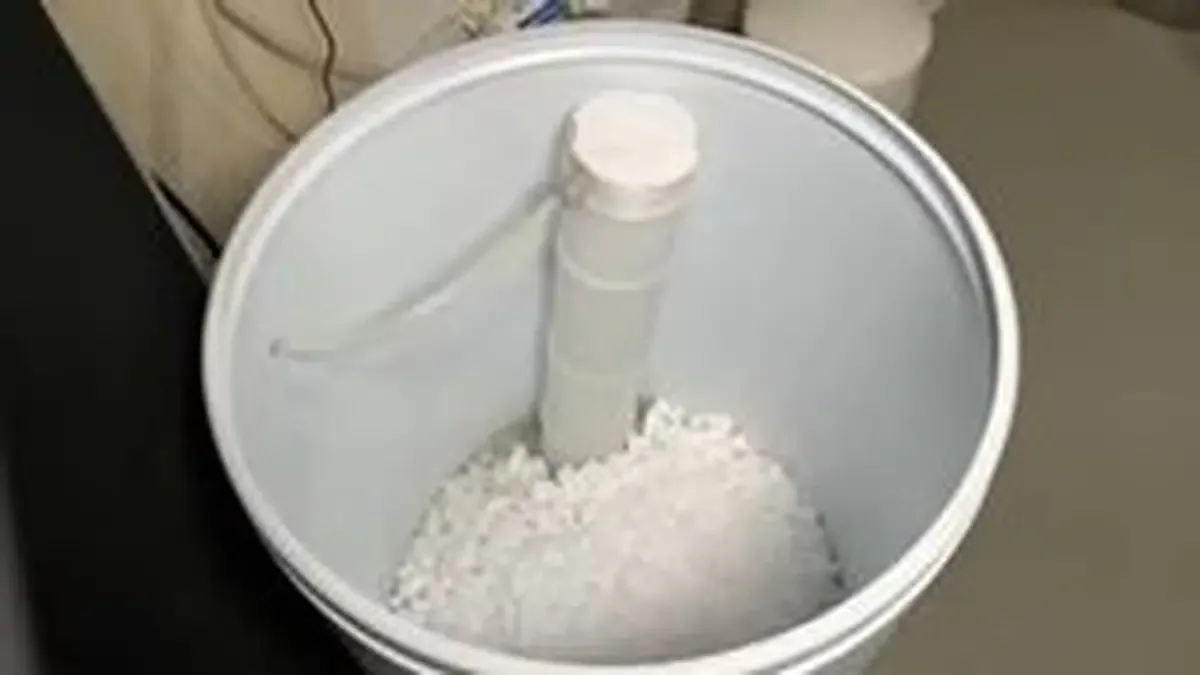
A softener stores salt in the brine tank. When its resin is loaded with hardness minerals, it flushes with brine, rinses and resumes. The cycle runs on a schedule or on water use. Adding the right salt on time keeps it working, and a tank that has bridged, a crust over empty space, stops the cycle until it is broken up.
What to ask before you buy
Hard water solutions range from a salt-based softener to a filter or a conditioner, and comparing water softener companies is easier with the same questions for each.
- The hardness reading at your tap, and the capacity of the unit in grains
- Whether the quote includes bypass valves, a drain line and any electrical work
- Salt use per regeneration and how often you will refill
- What replacement filters or membranes cost and how often they change
- Who services the unit and whether parts are stocked
- Whether a permit applies and who pulls it
Softener and filter questions
Is Burbank water hard?
The 2025 utility report puts average hardness near 286 ppm, roughly 16.7 grains per gallon, which is in the hard range. Your tap may differ, so test it.
Does a water softener remove chloramine?
No. A softener removes hardness minerals only. A catalytic carbon filter rated for chloramine handles chloramine.
Do I need reverse osmosis if I have a softener?
They do different jobs. A softener handles scale for the whole house, and RO polishes drinking water at one tap. Many homes use both or choose one.
How often does a softener need service?
Check the salt level every month or so and have the unit inspected when it stops softening, uses more salt or leaks. Hard water is tougher on the equipment.
Can a softener be installed without a drain?
No. The regeneration water has to go somewhere, and the plumber connects it to an approved drain with an air gap.
Water heater and fixture services that pair with treatment
Scale on every faucet?
Ask for a hardness test and a plain comparison of softener, filter and RO options from a plumber who serves your street.
Call (818) 280-4874