
Emergency Water Damage Cleanup and Drying in Burbank
Many owners believe water damage is over once the surface looks dry. It is not. Water moves into drywall, insulation, subfloors and the cavities behind cabinets, and what stays wet for a day or two can lead to swelling, odors and mold. This page explains what comes first in the hour after water appears, how extraction and drying work, what mold testing and removal involve, and what to keep for an insurer.
Call (888) 681-3447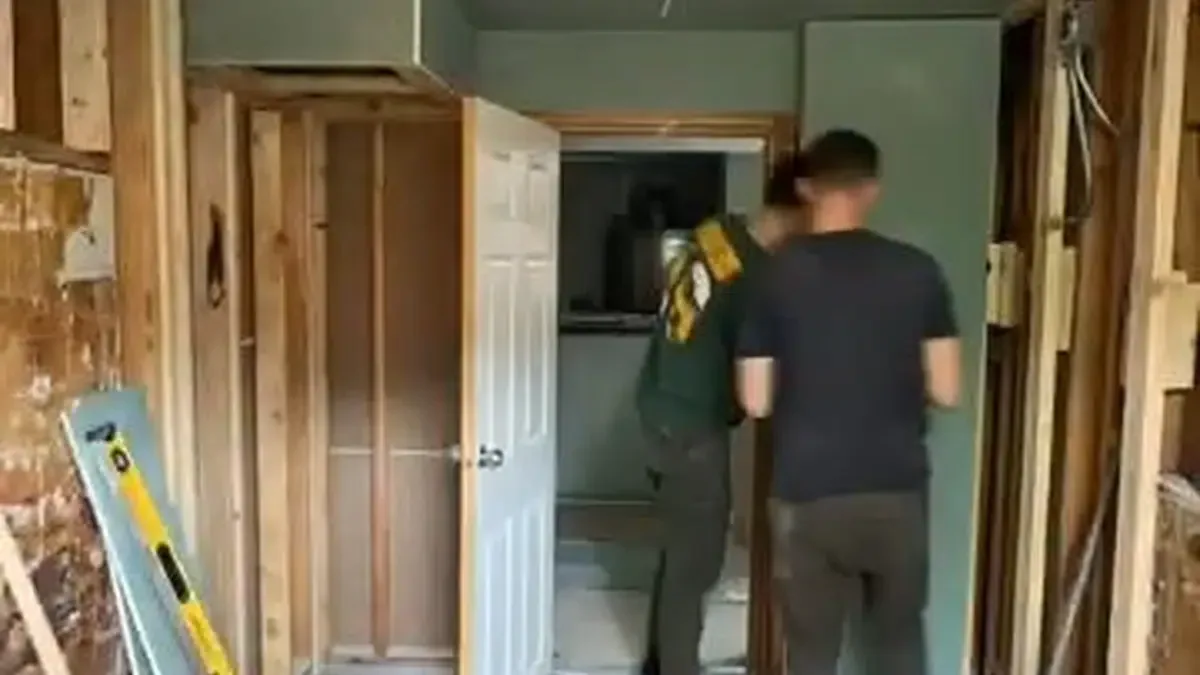
First hour: stop the source and what not to touch
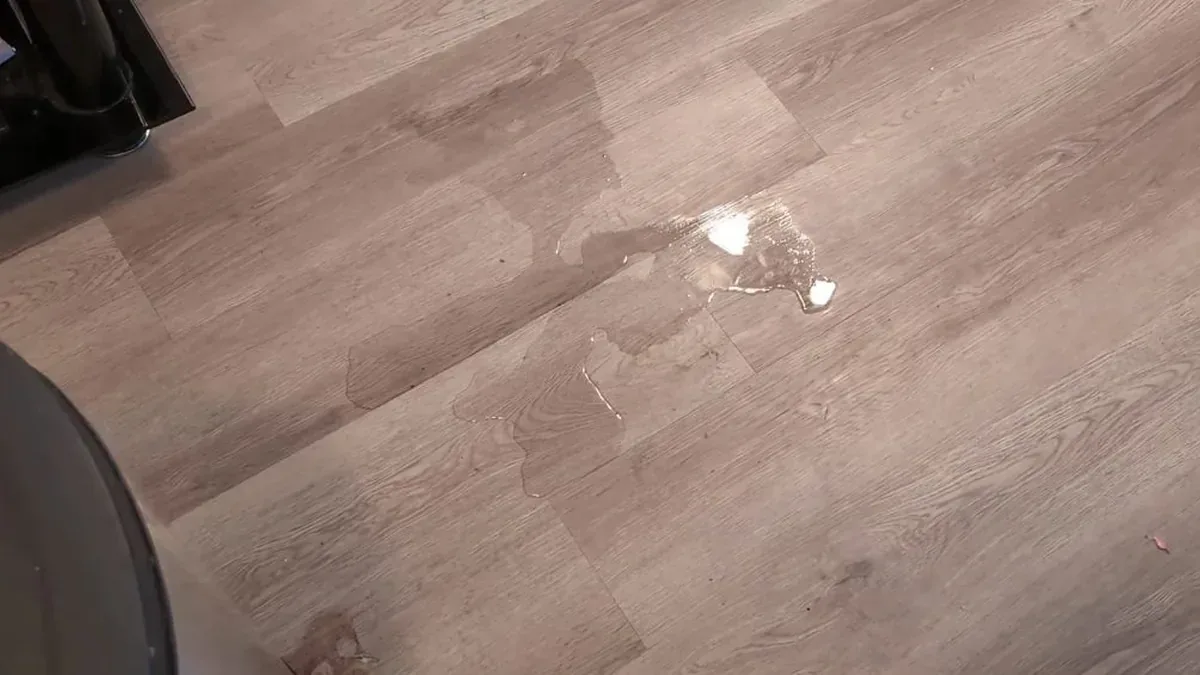
Stop the water first. Close the main shutoff valve, or the valve to the failed fixture, and if the source is a burst pipe, run the lowest tap in the house until the pipe empties. If the water came from outside, such as rain or a backed-up drain, move belongings out of the path and photograph the damage before anything is cleaned up.
What not to touch matters as much. Do not use electrical devices standing in water, and do not turn on ceiling lights under a wet ceiling. Do not use a household vacuum on water. Avoid contact with sewage or backed-up water, which carries bacteria. When in doubt, shut the power to the affected area at the breaker if you can reach it dry, and call.
Flooded basement, crawl space and whole-house flooding: where did the water come from?
The source decides who does what. Plumbing causes come first: a burst pipe, a failed water heater, a main line break, a broken irrigation line or a sewer backup. Rain and storm flooding are different, because water enters from outside. A plumber stops and repairs the plumbing source, and the drying work follows. Repair of the pipe itself stays on the leak detection and repiping pages.
Flooded crawl spaces and below-grade rooms add difficulty, because water collects and takes longer to remove. Condo, apartment and commercial properties add a second question: whose pipe and whose floor. Report the loss to the building manager or association, and ask for the shutoff location in a shared building.
Mold testing, inspection and assessment: what the visit tells you
Mold is possible wherever materials stay wet for a prolonged time. A musty smell, discoloration on drywall or a ceiling, or visible growth behind a vanity are signs. An inspection looks at moisture readings, visible growth and the path of the water, and testing samples air or surfaces for mold spores. Testing results show what is present. They do not promise that a space is safe, and they are one input, not a verdict.
Ask what the inspection includes, what is sampled and how the results will be explained. A plumber stops the water source, and mold assessment and removal are arranged separately. Results and salvageability are explained to the owner, not promised.
Water extraction and removal: the first job after the leak stops
Water mitigation, sometimes called water damage mitigation, is the opening phase of every job: stop the loss, remove the water, start drying. Emergency water mitigation and basement water mitigation follow that same order. Extraction removes standing water with pumps and wet vacuums. It is the step that decides how much of the building stays wet, so speed counts. Once standing water is gone, moisture remains in carpet pad, subfloors and wall bases, and drying begins.
Standing water is a reason to phone at any hour, night or weekend. The dispatch line picks up around the clock, though no arrival time is quoted, since it hinges on which plumber is nearest. Extraction after a burst pipe under a sink, a collapsed ceiling or a bathroom leak follows the same path.
Drying equipment: air movers and dehumidifiers
Drying relies on air movement and moisture removal together. Air movers push dry air across wet surfaces, and dehumidifiers pull moisture out of the air so the surfaces can release more. Drying time depends on the materials, the amount of water and the humidity, and a moisture meter, not a calendar, shows when a surface is dry.
Equipment is typically set and checked over several days. Ask for daily moisture readings and a drying log. Renting equipment on your own is not a substitute for monitoring, because the readings tell you when to stop.
Mold after water damage: remediation and removal
Residential mold remediation, also called mold treatment or mold removal, removes or cleans materials with growth and corrects the moisture that fed it. It starts with containing the area, then removing affected porous materials such as drywall or insulation, cleaning surfaces that can be cleaned and drying the space again. The cause comes first. Removing mold without fixing the leak or the humidity brings it back.
Ask any company directly what it does, who performs the work and what it will document before it starts. No certification and no promise about safety is made here.
What happens on a job, step by step
A typical job runs in stages. First, the source is stopped and the area is made safe. Then the plumber or restoration crew inspects, photographs and maps the wet areas with a moisture meter. Standing water is extracted, affected materials such as soaked carpet pad or drywall are removed when they cannot be dried, and equipment is set. Readings are taken until the materials reach normal levels, and the equipment is removed.
Rebuilding comes afterward: drywall, flooring, paint and trim. Restoration and rebuilding are different scopes, so ask what is included in the quote and what is not.
| Stage | What happens | What to ask for |
|---|---|---|
| Stop and secure | Source shut off, power made safe, belongings moved | Where the shutoff was and what was turned off |
| Assess | Moisture mapping and photos of wet materials | A copy of the readings and photographs |
| Extract | Standing water removed with pumps and vacuums | Which rooms and how much material was removed |
| Dry | Air movers and dehumidifiers placed and monitored | Daily moisture readings and a drying log |
| Clean and treat | Surfaces cleaned, odors and mold addressed when present | What was cleaned and what was discarded |
| Close out | Equipment removed, final readings taken | Final readings and a written summary |
Damage assessment and major loss inspection
Large losses, vacant-home losses and cases where the water source is unclear need a wider inspection. The assessment maps the extent of the damage, finds hidden moisture in walls and ceilings and records conditions for an insurance claim. Insurers often want documentation, and a vacant home that sat wet for days needs it more.
Ask for the assessment in writing: the rooms, the readings, the photographs and the cause if it is known. The report supports a claim and shows what drying was needed. Insurance decisions are made by the insurer, and the plumber or restoration crew documents the loss without deciding coverage.
Sewage backup cleanup
Sewage backups carry bacteria and are cleaned differently from clean water losses. Materials that were soaked, such as carpet and pad and porous drywall, are usually removed and discarded, and hard surfaces are cleaned and disinfected. Keep children and pets out and avoid contact with the water.
A plumber finds and clears the cause, and the sewer line repair page covers lateral and main line problems. Cleanup then follows, and the dispatch line can arrange both visits.
Burst pipe and plumbing leak damage
A burst pipe or a failed supply line can put a lot of water into a house in minutes. After the water is stopped and the pipe is repaired, the damage side starts. Wet drywall below the leak, swollen baseboards, wet insulation and soaked flooring all need to be dried or removed. The repair of the failed pipe stays with the plumbing pages, and this page covers what comes after.
A slab leak causing water damage works the same way: the pipe leaks under or in the concrete floor, the water shows up in flooring and wall bases, and the drying plan starts once the slab leak detection work has found and stopped the source. Slab leak water damage restoration therefore begins with the leak and ends with dry materials. Photograph the failed pipe or fitting before it is discarded, and keep it if you can. A bathroom water damage repair often includes the subfloor, the ceiling below and the cabinet base, so ask the plumber for the leak path in writing.
Fire, smoke and odor damage
Fire, smoke and odor damage is outside plumbing, and disaster restoration of that kind goes to restoration help that the dispatch line can reach. Smoke leaves residue on surfaces and odor in porous materials, and water used to put out a fire adds a water damage job on top. Cleaning smoke damage is different from drying a flood, so a call that mentions both gets both assessed.
Ask what the restoration company removes, what it cleans and what it replaces. Cigarette smoke and cooking odor in apartments follow the same approach, and results depend on the materials involved, so no outcome is promised.
Flooring, carpet and hardwood after a leak
Carpet and pad, laminate, tile and hardwood respond differently. Carpet can often be dried when the water is clean and the loss is caught early, but the pad is usually replaced. Hardwood can cup or buckle as it dries, and sometimes recovers and sometimes needs replacing. Tile survives, but the subfloor and the grout may not.
No outcome is promised, and a moisture meter reading after drying shows whether flooring is dry enough to keep. Ask what can be dried in place, what is removed and what each choice means for rebuilding.
Other sources of water: roof, ceiling, AC and irrigation
Not every wet ceiling is a plumbing leak. Roof leaks, air conditioner condensate lines and drain pans, and irrigation or a neighbor's unit above can all put water into a home. The first step is finding where it comes from. Roof repair and HVAC repair are not offered here. A plumber confirms whether a plumbing line is involved, and if not, the roofer, HVAC company or building manager takes the next step.
Finding a plumbing leak behind a wall or above a ceiling is covered on the leak detection page.
Waterproofing and basement foundation inspection
Exterior drainage, grading and foundation repair are other trades. The plumbing part of the question is the interior: floor drains, drain lines and pipe leaks that put water into a basement. A plumber inspects those and tells you whether the water is coming from inside the plumbing or from outside the building. Basement waterproofing contractors handle the outside, and a waterproof basement project starts with that answer.
What to ask for in writing for an insurer
- Dated photographs and video of the damage before cleanup
- Moisture readings for each affected room, taken at the start and the end
- A drying log showing equipment placed, checked and removed
- A list of materials removed, with locations
- The cause of the loss and the repair made, in writing
- A final summary that matches the invoice
Insurance coverage is decided by the insurer. The paperwork above is what an adjuster is likely to ask to see.
Storm flooding and shared buildings
Storm, river and rain flooding
Flooding from outside is a different loss from a plumbing failure, and coverage differs. Water entering from outside carries debris, so cleanup is more involved. Document the damage and ask the restoration company how it handles contaminated water.
Condos, apartments and commercial spaces
Report the loss to the building manager or association right away, and ask which units share the water line. Commercial spaces are covered on the commercial plumbing page.
Water damage questions after a leak or flood
What should I do right after a pipe bursts?
Shut the main valve, drain the line at a low tap, stay away from wet electrical gear, take photos and phone. Do not start cleanup until the source is stopped.
How long does drying take?
It depends on the materials, the amount of water and the humidity. A moisture meter, not the calendar, shows when materials are dry, so ask for daily readings.
Does water damage always lead to mold?
No, but materials that stay wet for a prolonged time can grow mold. Fast extraction and drying lower the risk, and a musty smell or discoloration is a reason to inspect.
Can the plumber also handle the drying and cleanup?
The plumber stops and repairs the source. Drying and cleanup are arranged through the same dispatch line, with a restoration crew for larger jobs.
What if the leak came from my neighbor's unit?
Report it to the building manager, document the damage and ask which plumbing line failed. The responsible party depends on the building and the lease, so keep written records.
Will the insurer cover the work?
That is the insurer's decision. A written assessment, photos, readings and a drying log are the usual paperwork, and the policy wording sets what is covered.
Is fire or smoke damage handled here?
The dispatch line can route fire, smoke and odor calls to restoration help. Results depend on the materials, and no outcome is promised.
Do you handle mold testing?
Mold inspection and testing can be arranged. Results are explained and not offered as proof that a space is safe.
Plumbing work tied to water damage
Water on the floor right now?
Call the water damage line, answered 24 hours a day, and describe the source and the rooms affected so the right crew is lined up.
Call (888) 681-3447